
Kenya launches youth-led aquaculture drive to bridge 450,000-tonne fish deficit
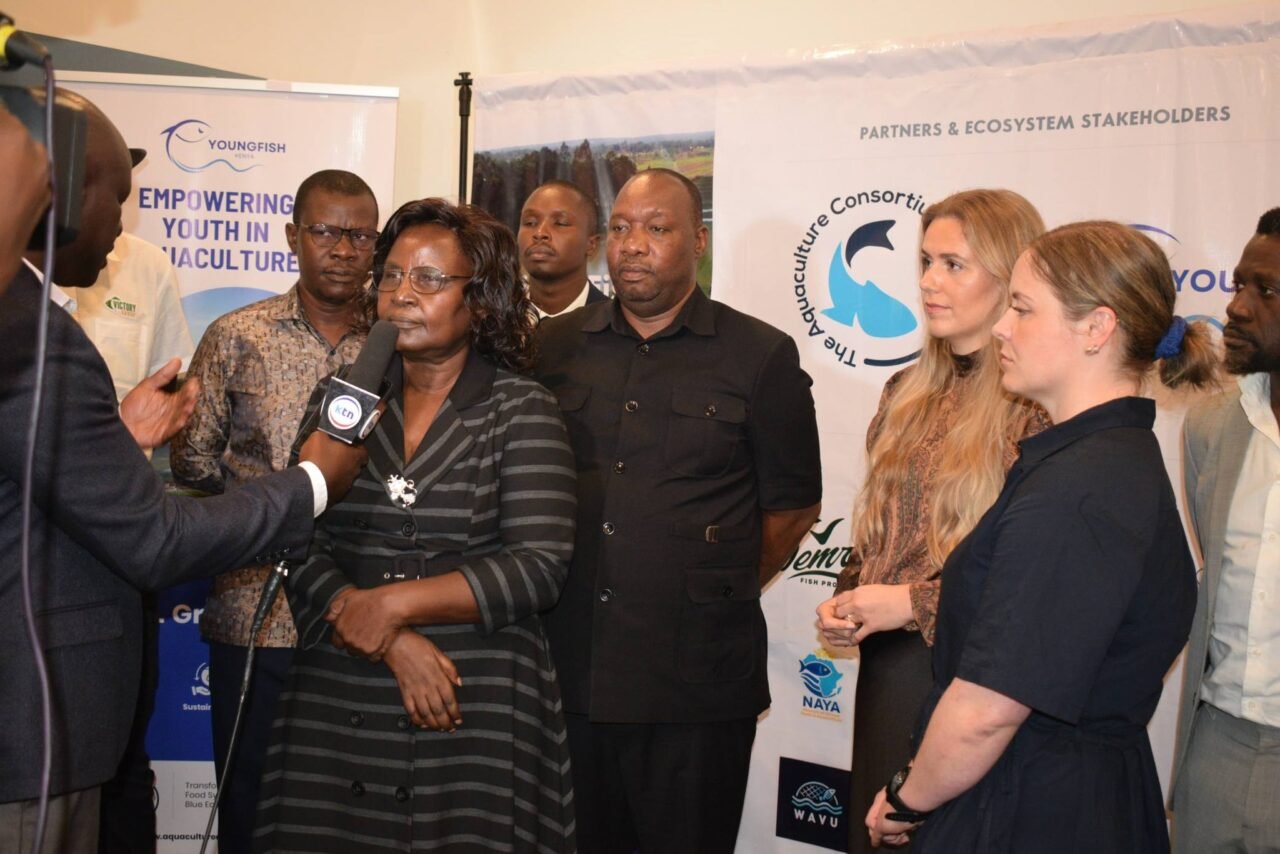
The aquaculture consortium (TAC) in Kenya in partnership with the Norwegian Agency for Exchange Cooperation has launched youth-led initiatives aimed at transforming the country’s fisheries sector and bridging an annual fish deficit of about 450,000 metric tonnes.
The initiatives—Young Fish Kenya, Girls in Aquaculture Kenya and the AgriGrowth/eSamakiDigital platform—were unveiled during the “From Fish Deficit to Aquaculture Powerhouse” conference in Kisumu.
The programmes are designed to attract young people and women into aquaculture while leveraging technology and financing to unlock growth in the sector.
Speaking during the launch in Kisumu, TAC Chief Executive Officer Felix Osok said the initiatives target students and out-of-school youth, especially girls, to tap into opportunities within aquaculture, which has an estimated potential of $1 billion.
“Our focus is to move Kenya from a fish deficit to a fish powerhouse on the continent,” Osok said, adding that the consortium aims to draw lessons from Norway, a global leader in aquaculture.
He noted that the sector remains constrained by fragmentation, underinvestment and limited access to technology, particularly among small-scale farmers who contribute about 80 percent of the country’s fish supply. Osok emphasized the need for digital platforms, knowledge-sharing and increased financing to scale production.
According to the Kenya Marine and Fisheries Research Institute (KMFRI), which participated in the conference, the initiatives are anchored on strengthening sustainable aquaculture systems through partnerships and innovation.
“KMFRI today took part in the launch of the Young Fish Kenya, Girls in Aquaculture Kenya, and AgriGrowth/eSamakiDigital Platform initiatives during the ‘From Fish Deficit to Aquaculture Powerhouse’ conference,” the institute said in a Facebook post.
KMFRI added that the initiative stems from an ongoing collaboration involving the institute, JumboFish Farm and Norec aimed at enhancing support systems for aquaculture development, while promoting youth engagement and gender inclusion.
The institute’s Chief Executive Officer Dr. Paul Orina, who joined the meeting virtually, stressed the importance of evidence-based approaches in scaling the sector.
“There is importance of grounding dialogue in science and industry by outlining the technical pathways needed to transform aquaculture into a scalable and commercially viable enterprise sector,” Said Orina during the conference in Kisumu on Friday last week.
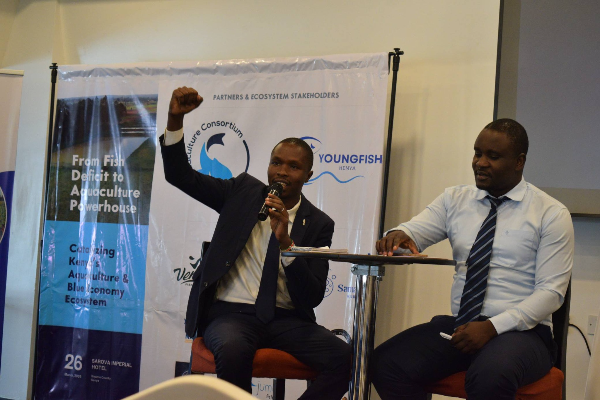
The conference brought together stakeholders from government, academia, private sector and development partners, including representatives from Norway, to explore strategies for expanding Kenya’s aquaculture potential.
Representing the Principal Secretary for Blue Economy and Fisheries, Dr. Sam Kidera outlined the government’s priorities in strengthening the sector. He presented “the strategic overview of Kenya’s aquaculture opportunities, national blue economy priorities, and the importance of ecosystem collaboration,” according to KMFRI.
In a speech delivered on behalf of Principal Secretary Betsy Njagi, the government reiterated its commitment to policy reforms and investment. The fisheries sector currently contributes about 0.7 percent to Kenya’s GDP, with projections indicating growth to 1 percent by 2027.
Despite producing 168,000 metric tonnes of fish valued at Sh39.6 billion in 2024, output remains below demand, highlighting the urgency for structural reforms and increased investment.
The government is also promoting insurance products to de-risk aquaculture and has approved over Sh30 billion in investments to unlock the sector’s potential. Additionally, Norway continues to support capacity building through mentorship programmes linking Kenyan and Norwegian aquaculture practitioners.
Stakeholders at the forum, including the Lake Victoria Aquaculture Association, emphasized the need for stronger collaboration, innovation and skills development to position Kenya as a competitive aquaculture hub in Africa.