

Kenya’s flower industry rides on quality, compliance and market access
As Kenya prepares for IFTEX 2026, industry stakeholders say the flower sector remains one of the country’s strongest export earners, supported by quality production, expanding markets, improved compliance systems and growing investment in sustainability.
By Christine Ojung’a
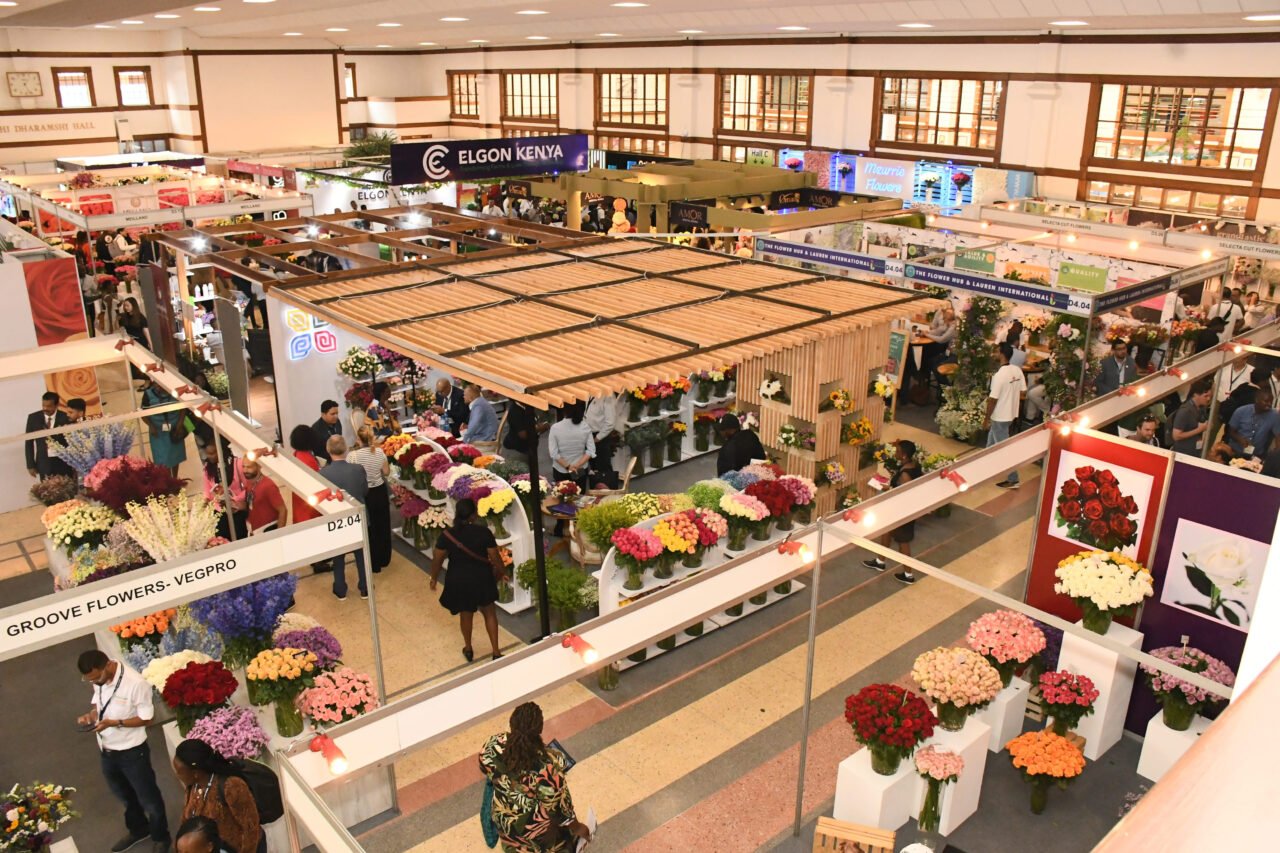
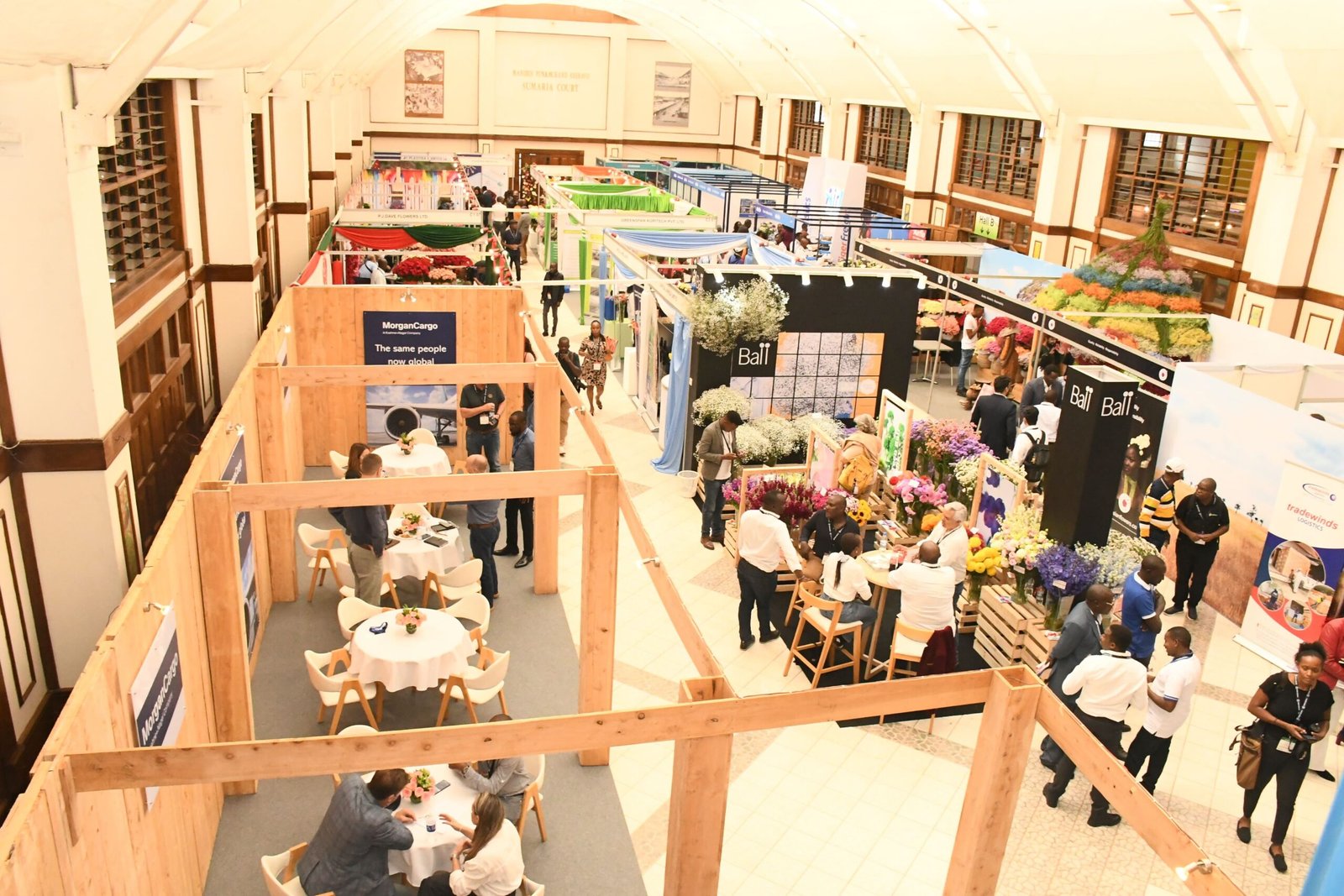
Kenya’s flower industry is positioning itself for stronger growth in global markets as the country prepares to host the International Flower Trade Exhibition, IFTEX 2026.
Speaking during a media briefing ahead of the exhibition, industry stakeholders said Kenya’s floriculture sector remains one of the country’s leading foreign exchange earners and a major contributor to employment, rural livelihoods and inclusive economic growth.
The briefing brought together key players in the sector, including the Agriculture and Food Authority’s Horticultural Crops Directorate, the Kenya Flower Council and the Kenya Plant Health Inspectorate Service, who highlighted the sector’s performance, competitiveness and role in sustaining Kenya’s reputation as a reliable source of high-quality flowers.
According to data shared during the briefing, Kenya exported 457.7 thousand tonnes of horticultural produce in 2025, valued at Ksh143.78 billion. Cut flowers accounted for the largest share at 62 per cent, followed by fruits at 19 per cent, vegetables at 15 per cent and medicinal and aromatic plants at four per cent.
This confirms floriculture as the star sub-sector within Kenya’s horticulture industry.
The flower sector supports more than 150,000 direct and indirect jobs, with women and youth forming a significant proportion of the workforce. Beyond employment, the industry continues to play an important role in rural transformation, social empowerment and foreign exchange generation.
Kenya’s floriculture industry is globally recognised for producing high-quality flowers, particularly roses, which account for about 69 per cent of the country’s flower exports. The country also produces carnations and a wide range of summer flowers under both greenhouse and open-field systems.
Flower farming is currently carried out in 21 counties, with more than 90 per cent of production undertaken by medium and large-scale growers. Smallholder farmers mainly produce summer flowers, which are marketed through consolidators for export.
AFA said Kenya’s favourable climate and strategic equatorial location continue to provide ideal conditions for year-round flower production.
“IFTEX 2026 offers a strategic platform to showcase Kenya’s global leadership in floriculture and strengthen confidence in the country’s horticultural sector,” said Isdorah Odundo, Principal Market and Product Development Officer at AFA, in remarks delivered during the briefing.
She said the exhibition will not only serve as a trading platform, but also provide an opportunity for stakeholders to collaborate in addressing emerging challenges affecting the flower industry.
The European Union remains the principal market for Kenya’s flower exports, with the Netherlands serving as the leading destination through the Aalsmeer Flower Auction and direct supermarket sales channels. In 2025, Kenya was ranked among the top four global exporters of cut flowers, with exports reaching 143 destinations.
The sector recorded growth in both value and volume, with cut flower export earnings increasing from Ksh72.1 billion in 2024 to Ksh81.3 billion in 2025. Export volumes also rose from 102.5 thousand tonnes to 130.6 thousand tonnes over the same period.
On average, 46 per cent of Kenya’s cut flower exports were destined for the Netherlands in both 2024 and 2025. Other major markets included the United Kingdom, Germany, Kazakhstan, Australia and countries in the Middle East. Emerging destinations include Italy, South Africa, France, Japan, Qatar, Kuwait, Kyrgyzstan, Sweden, Oman and Iraq.
Stakeholders said this market reach demonstrates the sector’s resilience and the confidence that international buyers continue to place in Kenyan flowers.

Speaking at the same briefing, Kenya Flower Council Membership Engagement and Communications Manager Lina Jamwa said Kenya’s floriculture industry remains one of Africa’s greatest agricultural success stories and one of the most competitive sectors of the national economy.
“Kenya is not simply participating in global floriculture, Kenya is leading it,” Jamwa said. “With the right partnerships, supportive policies and strategic investments, Kenya can become the undisputed global leader in sustainable floriculture.”
In 2025, the flower industry generated approximately Ksh110 billion in export earnings, equivalent to nearly USD845 million, and contributed about 1.5 per cent directly to Kenya’s GDP. The sector also sustains more than one million livelihoods across the value chain, including farms, packhouses, logistics, cargo handling, retail and rural service economies.
Kenya exports flowers to more than 60 countries and remains Africa’s leading flower exporter as well as one of the world’s top exporters of roses.
Industry players attribute this success to decades of investment, innovation, professionalism, sustainability and efficient logistics. Kenya’s high altitude, fertile soils, equatorial climate and year-round sunshine allow growers to produce flowers with strong stem quality, vibrant colours and longer vase life.
The country has also developed one of Africa’s most advanced fresh produce logistics ecosystems. Flowers harvested in Naivasha can be on supermarket shelves in Europe within 24 hours, supported by efficient cargo systems and Jomo Kenyatta International Airport, which remains a key regional fresh produce cargo hub.
Compliance was also highlighted as a critical pillar of Kenya’s competitiveness.
Dr Isaac Macharia, Director of Phytosanitary and Biosecurity Services at KEPHIS, said Kenya’s ability to meet international market requirements is central to protecting and expanding the country’s flower exports.
“As we look forward to IFTEX 2026, adherence to market requirements is not just a regulatory necessity but Kenya’s premier competitive advantage,” Dr Macharia said.
He said KEPHIS continues to strengthen compliance through automation, improved laboratory infrastructure, pest surveillance, certification systems and capacity building for growers and inspectors.
Among the key interventions is the automation of phytosanitary certification and plant import permits through the Integrated Export-Import Certification System, which has improved the processing of export documents. KEPHIS has also enhanced the exchange of electronic phytosanitary certificates with trading partners through the e-Phyto hub, reducing reliance on paper-based systems and helping to minimise delays.
Dr Macharia said Kenya has also invested in advanced laboratory infrastructure to support rapid pest detection and identification, especially in meeting strict quarantine standards in international markets.
He noted that the effective management of False Codling Moth in roses through the Rose False Codling Moth Systems Approach has enhanced Kenya’s compliance with requirements in the European Union, United Kingdom and South Korean markets.
KEPHIS is also working with growers to strengthen pest management systems based on specific market requirements, including surveillance, farm inspections, phytosanitary treatments and capacity building.
The agency has also continued to strengthen regional offices in key production and export hubs such as Naivasha, Timau, Nakuru, Eldoret and JKIA, providing on-the-ground technical support to smallholders and commercial estates.
Dr Macharia said compliance should be viewed not as a burden, but as one of Kenya’s strongest tools for defending market access and building buyer confidence.
“KEPHIS remains fully prepared to facilitate business, support industry expansion and protect the global integrity of Kenyan flowers,” he said.
The Horticultural Crops Directorate also noted that the entry of new growers into the floriculture industry presents opportunities for increased production, job creation and export market diversification. However, the Directorate said new growers must be properly integrated into the export ecosystem through capacity building, licensing support, access to regulatory information, adoption of Good Agricultural Practices and stronger linkages with exporters, logistics providers and international buyers.
Maintaining high standards, stakeholders said, will be essential as global markets demand stronger traceability, sustainability, pest control, ethical production and climate-smart farming systems.