


Weatherman warns of possible El Niño event in 2026, signals elevated flood risk later in the year
The Kenya Meteorological Department (KMD) has warned that the anticipated development of El Niño conditions in 2026 could significantly influence weather patterns across the country, with forecasts pointing to a high likelihood of the phenomenon emerging in the coming months and persisting through the end of the year.
In a press statement issued on June 9, KMD said it is closely monitoring global climate forecasts, which indicate that most weather models project an El Niño event of at least moderate intensity and possibly strong strength during 2026.
According to the department, there is an 80–82 per cent probability that El Niño conditions will develop between June and August 2026. The likelihood increases further, with probabilities ranging between 90 and 96 percent that the phenomenon will continue through the end of the year.
The warning was reinforced in a statement posted on KMD’s X platform, where the agency said it is “closely monitoring the anticipated development of El Niño conditions in 2026, with forecasts indicating a high likelihood of occurrence and persistence through the end of the year.”
El Niño, a periodic warming of sea surface temperatures in the central and eastern Pacific Ocean, is known to affect weather patterns globally, including across East Africa. In Kenya, its impacts vary depending on the season.
KMD noted that during the June-July-August (JJA) period, El Niño is typically associated with reduced rainfall over western Kenya, while much of the rest of the country experiences predominantly dry weather conditions.
The department’s seasonal forecast for June to August 2026 indicates near-average to below-average rainfall over the Highlands West of the Rift Valley, the Lake Victoria Basin, the Rift Valley and northwestern Kenya. Coastal regions are expected to receive near-average to above-average rainfall.
Meanwhile, the Highlands East of the Rift Valley, including Nairobi, parts of the southeastern lowlands near the capital, and some high-altitude areas of Marsabit and Taita Taveta counties are expected to experience occasional cool and cloudy conditions accompanied by light rainfall.
Most of the southeastern lowlands and northeastern Kenya are forecast to remain generally sunny and dry. KMD also projects warmer-than-average temperatures across most parts of the country during the period.
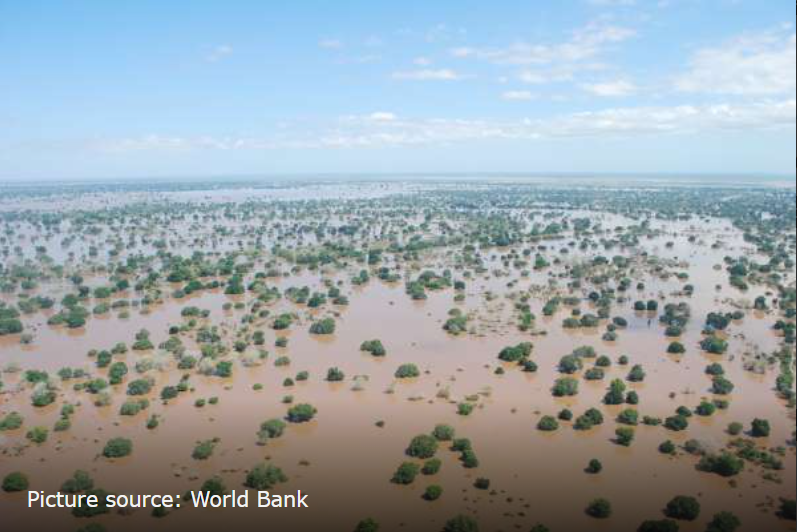
However, meteorologists say the greatest concern lies later in the year. During the October-November-December (OND) short-rains season, El Niño is generally linked to enhanced rainfall across the country, raising the risk of flooding and related impacts.
The department further noted that the Indian Ocean Dipole (IOD), another major climate driver that influences East African rainfall, is currently neutral but could shift into a positive phase later in the year. A positive IOD occurring alongside El Niño could significantly amplify rainfall during the OND season.
“The combined effects of El Niño and a positive IOD significantly influence rainfall patterns over Kenya, potentially leading to enhanced rainfall during the October-November-December season,” KMD said.
The agency emphasized that forecasts remain subject to change as new climate data become available and urged the public to stay informed through official weather updates and advisories.
KMD said it will issue the national October-November-December 2026 seasonal forecast in late August or early September and is working closely with the National Disaster Operations Centre and other agencies to support preparedness and mitigation measures.
The department reiterated its commitment to providing timely weather and climate information to help safeguard lives, livelihoods and property through proactive planning and coordinated response efforts.