


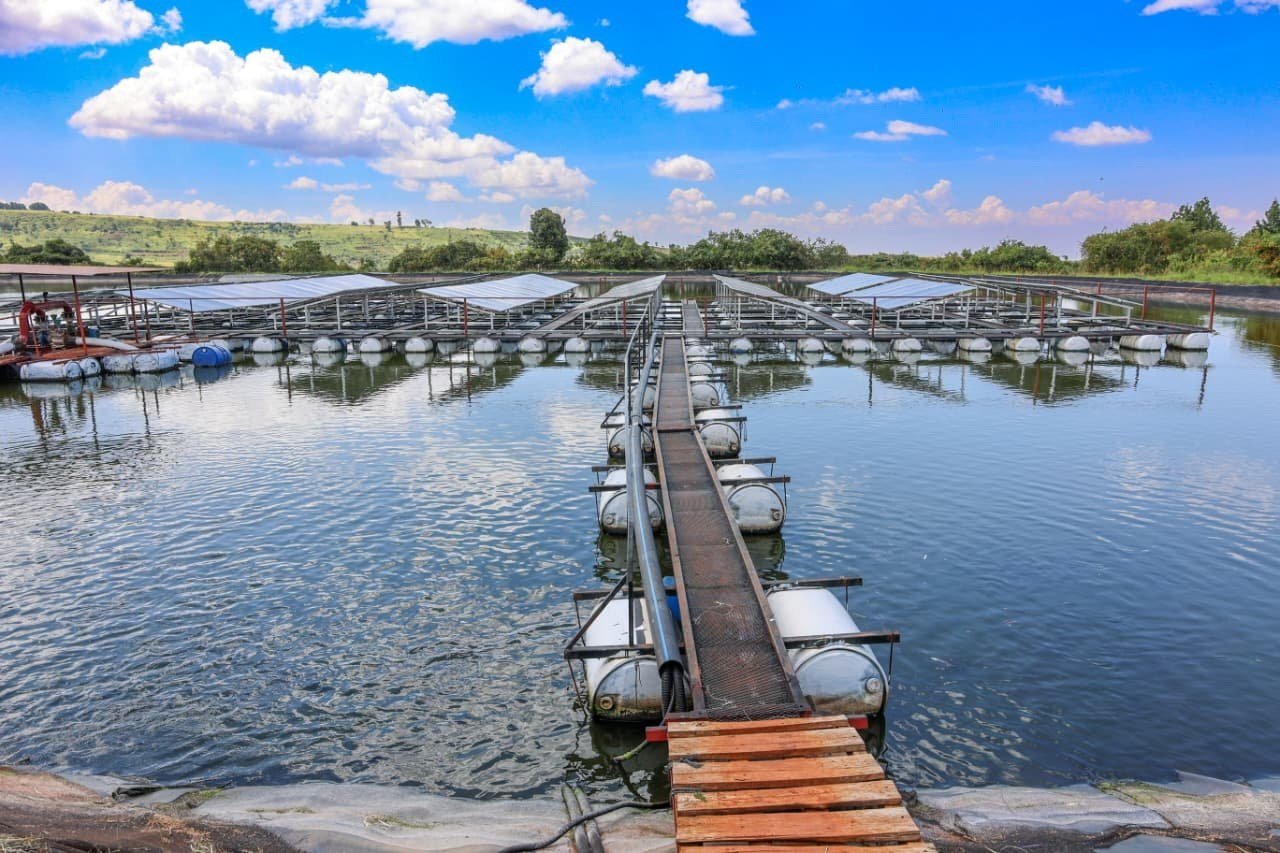
Leading farms in Trans Nzoia showcase Kenya’s technology-driven agriculture future
Leading farms in Trans Nzoia are demonstrating how innovation, technology and modern farming practices can transform Kenya’s agricultural sector, with artificial intelligence, smart farming and mechanisation emerging as important tools for improving productivity and competitiveness.
During visits to innovative farms in Trans Nzoia, Cabinet Secretary for Agriculture and Livestock Development Sen. Mutahi Kagwe highlighted the growing role of technology in agriculture and reaffirmed the Government’s commitment to placing farmers at the centre of Kenya’s agricultural transformation.
According to an update shared on the Ministry of Agriculture and Livestock Development’s X platform, @CS_MoALD, the CS engaged farmers through visits to Hydroponic Farm, Mt. Elgon Orchards, Lokitela Farm and Sirwo Farm, where different approaches to modern agriculture are being successfully applied.
The farms showcased a range of production models centred on innovation, mechanisation, value addition and export-oriented farming. Together, they offered a glimpse into how emerging technologies and modern agricultural practices could shape the future of farming in Kenya.
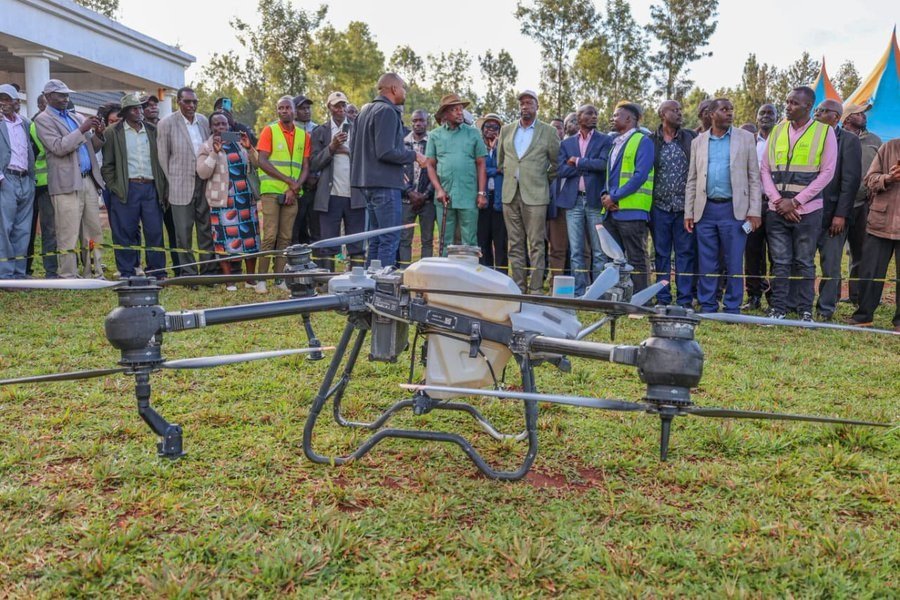
One of the key areas highlighted during the tour was the application of artificial intelligence and AI-powered drones in farm management.
These technologies are enabling farmers to monitor crops more effectively, gather useful information and make better-informed decisions while improving efficiency and precision.
AI-powered drones, for instance, can support precision farming by providing farmers with timely information on crop conditions, allowing potential problems to be identified and addressed more efficiently.
The increasing adoption of such technologies could help farmers reduce unnecessary resource use while improving yields and the quality of agricultural produce.
The farms also demonstrated the practical benefits of technologies and techniques such as hydroponic farming, avocado seedling grafting, greenhouse production and automated irrigation.
Modern post-harvest handling was also highlighted as an important component of improving the quality and marketability of farm produce.
Hydroponic farming, for example, offers an alternative production system that can optimise the use of water and growing space, while greenhouse technology can provide greater control over growing conditions.
Automated irrigation systems can similarly improve water management and ensure crops receive the required amount of water more efficiently.
At Mt. Elgon Orchards and the other farms visited, innovation was also linked to the broader objective of producing agricultural commodities that can compete in regional and international markets. This highlights the need for Kenya to move beyond production and place greater emphasis on value addition, quality, branding and reliable market access.
CS Kagwe emphasised that producing quality agricultural goods must be accompanied by deliberate efforts to market and brand Kenyan products. Strong branding, he noted, is essential for positioning the country’s agricultural products competitively in domestic, regional and international markets.
The Government, he assured farmers and processors, remains committed to opening new markets and strengthening existing ones to provide sustainable returns for agricultural producers.
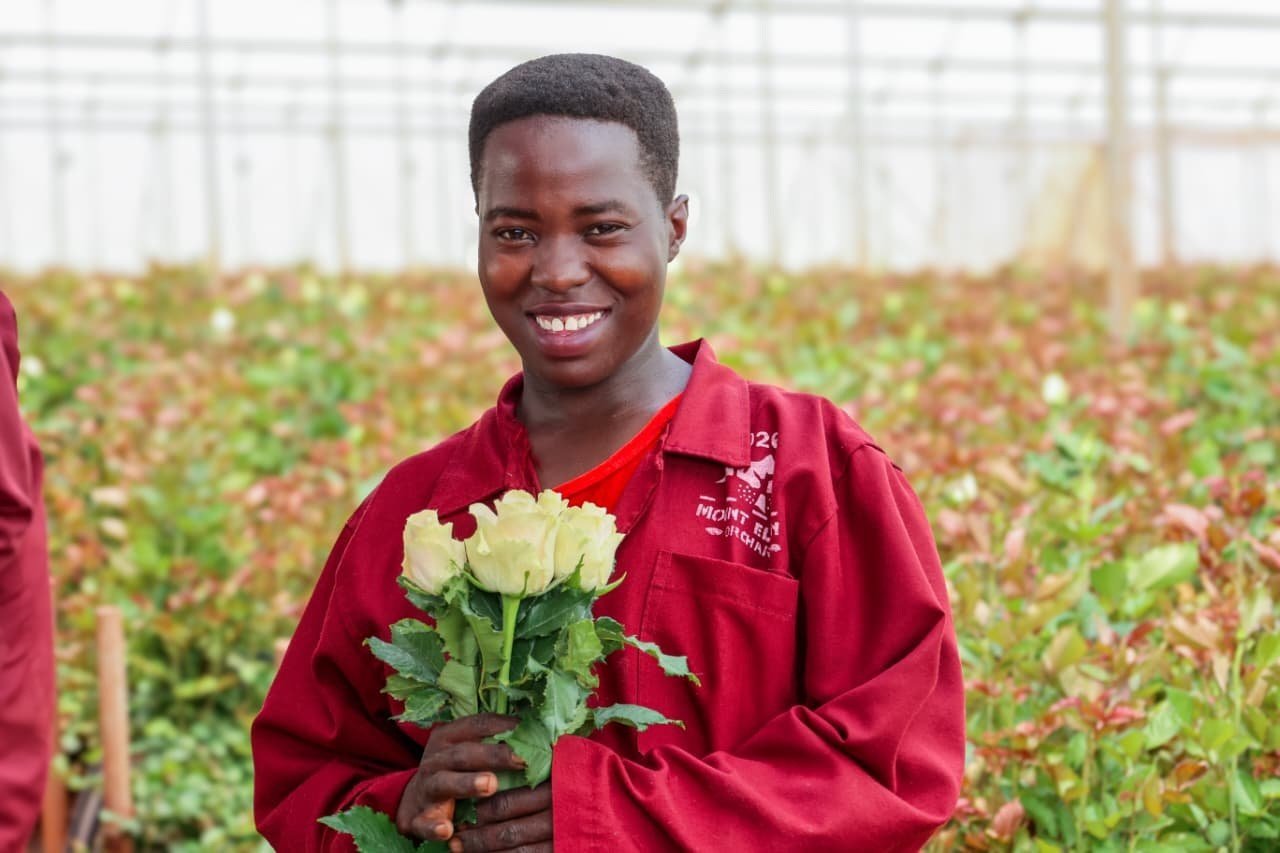
The adoption of modern technologies is also creating opportunities beyond the farm. As agriculture becomes increasingly integrated with processing, packaging, logistics and export activities, the sector has significant potential to generate employment across the entire agricultural value chain.
The engagement further underscored the importance of partnerships between the Government and private sector in accelerating agricultural innovation and attracting investment.
Collaboration between farmers, technology providers, processors, exporters, financiers and government agencies will be critical to building a more productive and competitive agricultural sector.
The role of transport infrastructure and logistics was also highlighted, particularly in supporting agricultural exports. CS Kagwe recognised Kenya Airways and other airlines as important partners in moving fresh agricultural produce to international markets, where speed and efficient air cargo services can be critical to maintaining product quality.
The presence of the Chairperson of Kenya Airways, who is also a farmer, further demonstrated the growing connection between Kenya’s agriculture and aviation sectors.
The developments witnessed in Trans Nzoia point to an agricultural future in which technology is increasingly integrated into everyday farm operations.
From AI-powered crop monitoring and automated irrigation to greenhouse production, mechanisation, modern post-harvest systems and improved logistics, emerging technologies are giving farmers new tools to improve efficiency and competitiveness.
As Kenya seeks to strengthen its position as a regional and global agricultural producer, the experiences of leading farms in Trans Nzoia demonstrate that the future of farming will depend not only on what farmers produce, but also on how efficiently they produce, process, market and deliver it.
The Government’s engagement with innovative farmers therefore signals a broader push towards an agricultural sector that is technology-driven, market-oriented and capable of creating jobs while delivering higher and more sustainable returns to farmers.