


Kagwe launches sunflower–soybean drive to cut Sh145 billion edible oil import bill
By Zablon Oyugi
Kenya has stepped up efforts to reduce its heavy reliance on imported edible oils with the launch of a new initiative aimed at expanding the production of sunflower, soybean and other oil crops.
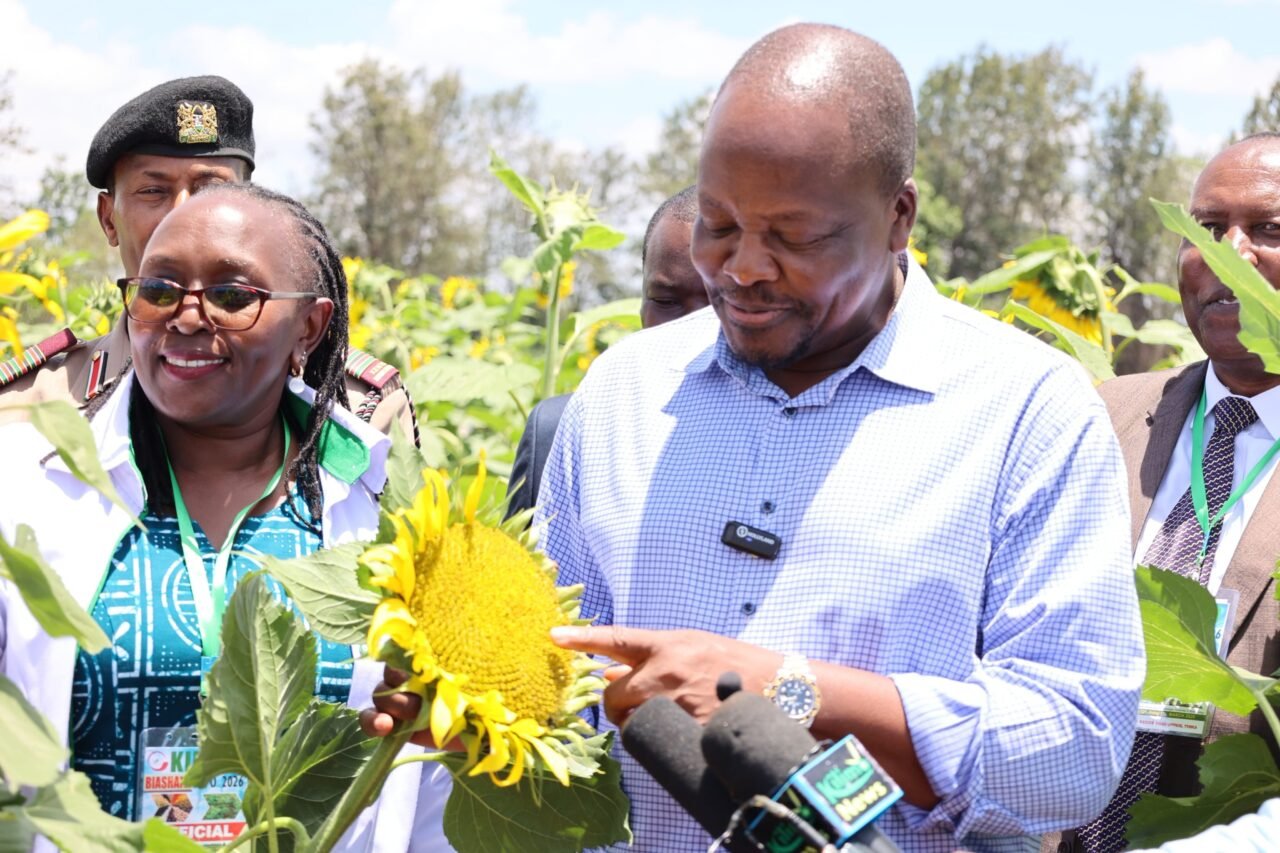
Speaking during the opening of the Kilimo Biashara Expo 2026 at Kenya Agricultural and Livestock Research Organization (KALRO) Seeds headquarters in Thika, Agriculture and Livestock Development Cabinet Secretary Mutahi Kagwe said boosting local oil crop production will help cut the country’s ballooning edible oil import bill while creating new opportunities for farmers and agribusiness investors.
Kenya currently consumes about 600,000 metric tonnes of edible oils annually. However, more than 90 to 95 percent of this demand is met through imports, highlighting the country’s limited domestic production capacity.
According to government data, Kenya spent more than Sh145 billion importing edible oils in 2022 alone. The ministry says this level of dependence on external markets exposes the country to global price volatility while denying local farmers a lucrative market.
“Scaling up production of sunflower, soybean and other oil crops will significantly reduce imports, strengthen local agro-processing and increase incomes for farmers,” Kagwe said during the launch.
The initiative, spearheaded by the Ministry of Agriculture and Livestock Development in partnership with Kenya Agricultural and Livestock Research Organization and other stakeholders, focuses on boosting both production and value addition across the edible oil value chain.
Key interventions under the programme include developing and distributing high-yielding seed varieties suited to local conditions, strengthening seed multiplication and dissemination systems, and supporting farmer groups and cooperatives to expand acreage under oil crops.
The government also plans to encourage private sector investment in processing and value addition while strengthening market linkages between farmers and processors to ensure reliable demand for locally produced oilseeds.
Officials say these measures are designed to stimulate a sustainable domestic edible oil industry that benefits farmers while reducing the country’s dependence on imports.
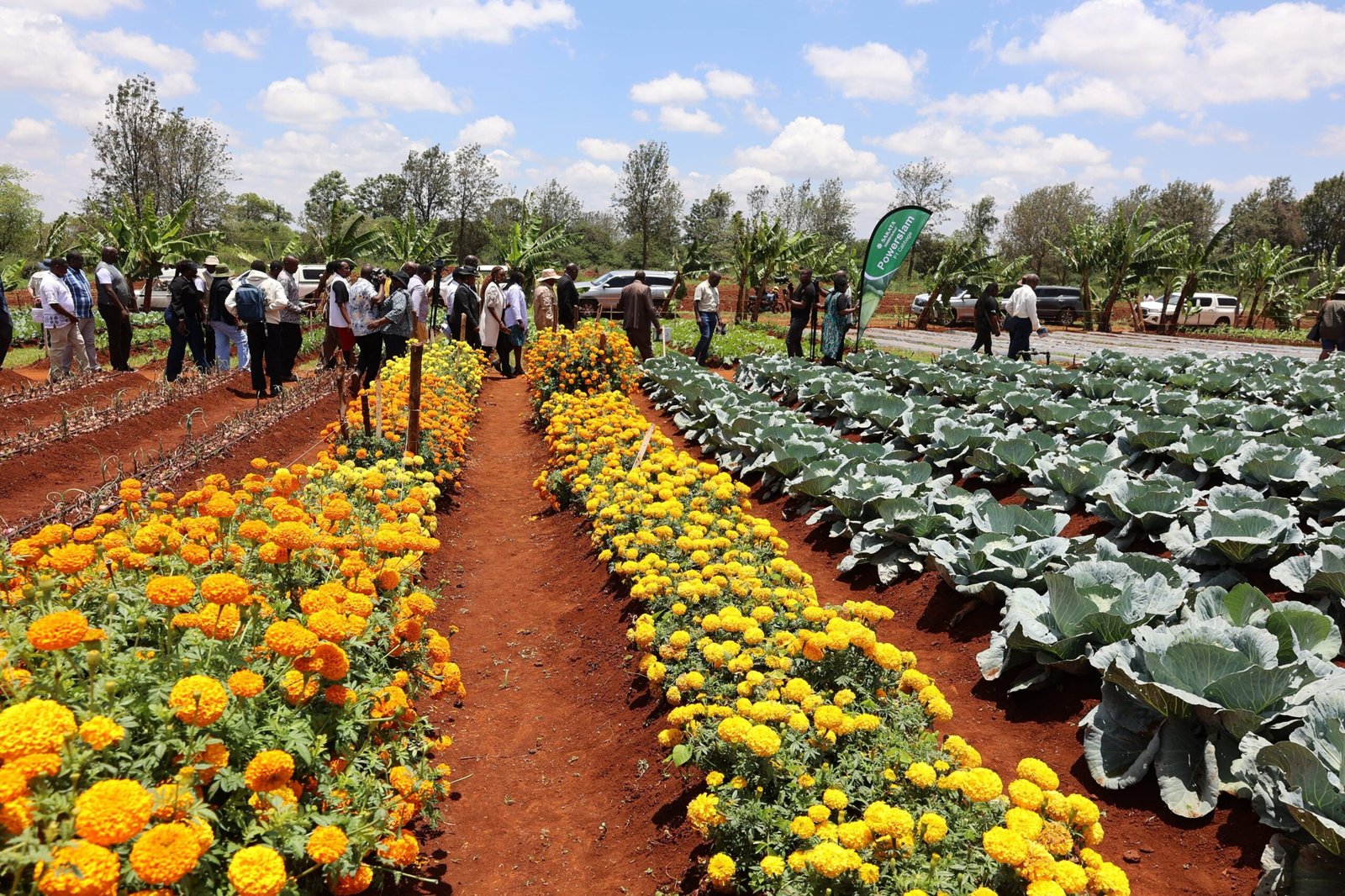
The launch took place during the annual Kilimo Biashara Expo, a major agricultural exhibition that brings together farmers, researchers, agribusiness companies and development partners.
Held at Kenya Agricultural and Livestock Research Organization Seeds centre in Thika, the expo serves as a platform to showcase agricultural innovations, technologies and investment opportunities aimed at transforming farming into a competitive business sector.
Organisers say this year’s event features improved seed varieties, mechanisation technologies and digital agriculture solutions designed to increase productivity and improve farmers’ access to markets.
Ahead of the expo, organisers highlighted the growing importance of industrial crops such as sunflower and soybean as Kenya seeks to close the gap between domestic edible oil supply and demand.
Data cited by Kenya Agricultural and Livestock Research Organization indicates that more than 90 percent of edible oil consumed in the country is imported, underscoring the urgent need to promote local production of oil crops.
Agriculture experts note that Kenya has significant potential to expand oilseed production, particularly in regions suitable for sunflower and soybean cultivation. Increased adoption of improved seeds, better agronomic practices and stronger market linkages could significantly boost yields and farmer incomes.
The new initiative also places strong emphasis on technology adoption, farmer training and access to markets, factors seen as critical to unlocking the potential of the edible oil value chain.
Government officials say the programme could open up new economic opportunities for farmers, youth, women and agribusiness entrepreneurs across the country.
By strengthening domestic production and encouraging investment in agro-processing, policymakers hope the initiative will gradually reduce the country’s edible oil import bill while positioning Kenya as a more self-sufficient producer of key agricultural commodities.