
Kenya eyes major livestock export deal with Algeria ahead of Eid al-Adha
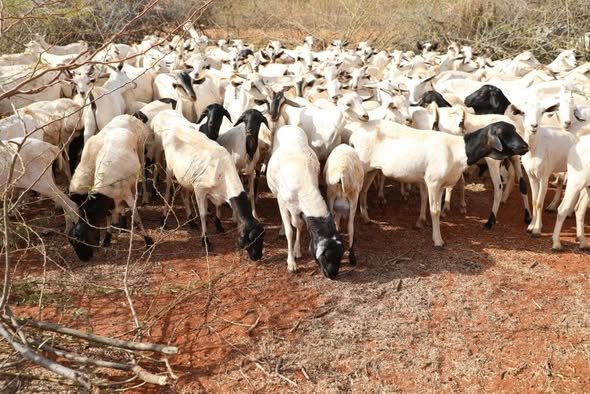
Kenya is preparing to export hundreds of thousands of live sheep to Algeria ahead of the upcoming Eid al-Adha festival, following high-level discussions between officials from the two countries aimed at strengthening livestock trade and agricultural cooperation.
The development follows talks between Agriculture and Livestock Development Cabinet Secretary Mutahi Kagwe and Farid Ouahid Dahmane, as both governments explore ways to accelerate livestock exports and deepen bilateral agricultural ties.
According to the Ministry of Agriculture, Algeria is implementing a government-backed livestock import programme that could require up to one million sheep to meet the surge in demand associated with the Muslim festival of Eid al-Adha.
In a statement posted on X, Kagwe said Kenya is positioning itself to take advantage of the opportunity created by Algeria’s import programme.
“The talks focused on fast-tracking livestock exports and strengthening agricultural cooperation between our two countries,” Kagwe said, noting that the initiative could open up a significant market for Kenyan farmers and livestock traders.
The discussions follow a recent visit by a technical delegation from Algeria that assessed Kenya’s sheep production systems and supply capacity. Officials said the assessment was aimed at determining whether Kenyan producers could meet Algeria’s import requirements in the short and long term.
Kenyan officials believe the initiative could evolve into an annual multi-billion-shilling export market if the initial shipments prove successful.
Beyond sheep exports, the talks also explored broader agricultural cooperation under the African Continental Free Trade Area framework.
Kenya expressed interest in importing fertilizer from Algeria to support local agricultural production, building on the 16,000 metric tonnes of urea fertilizer donated by Algeria in 2024.
The discussions further covered collaboration in livestock health through vaccines produced by the Kenya Veterinary Vaccines Production Institute, as well as potential exports of Kenyan dairy products, tea, avocado, macadamia, and mango products to the North African market.
Officials from both governments said the engagement signals a shift toward practical trade partnerships that could strengthen Kenya’s livestock export sector while creating stable markets for farmers.