


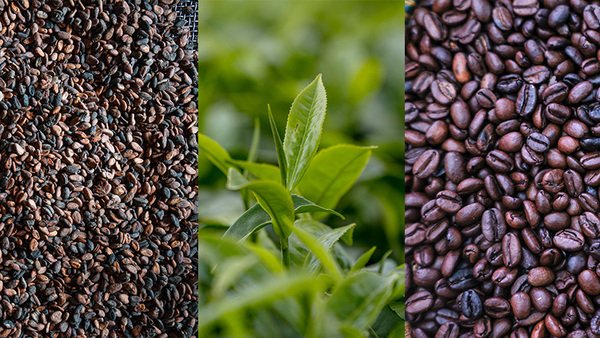
Global volatile coffee, cocoa and tea prices threaten millions of farmers – FAO report
By Zablon Oyugi
International prices of coffee, cocoa and tea have experienced significant fluctuations in recent years, exposing structural weaknesses in global beverage commodity markets and threatening the livelihoods of millions of farmers, according to a new report by the Food and Agriculture Organization of the United Nations (FAO).
The report, Price Dynamics in Global Beverage Markets: Trends, Drivers, and Consequences, found that short-term price movements in the three commodities are driven overwhelmingly by changes in supply and demand conditions, which account for more than 90 percent of observed price dynamics.
FAO noted that while expectations about future market conditions can influence market behaviour and amplify price movements, broader macroeconomic factors play only a limited role in explaining short-term fluctuations.
“In recent years, global beverage commodity prices have risen much faster than those of other agricultural commodities,” said Boubaker Ben-Belhassen, Director of FAO’s Markets and Trade Division.
“The combination of concentrated supply and growing global consumption creates fertile ground for large swings in their international prices. Weather-related shocks – droughts, frosts and excessive rainfall – remain the primary triggers of price spikes,” he said, adding that plant diseases, rising labour and input costs, geopolitical tensions and shipping delays have intensified market pressures.
The report highlights the highly concentrated nature of global production. Brazil and Viet Nam together account for nearly half of global coffee production, while five countries supply about 65 percent of the world’s coffee exports.
Cocoa production is even more concentrated, with Côte d’Ivoire and Ghana producing more than two-thirds of global supply. Meanwhile, China accounts for more than half of global tea output.
This concentration makes international prices particularly vulnerable to localized disruptions. Climate-related shocks in a few producing countries can quickly trigger global price surges, especially as demand continues to grow and becomes more geographically dispersed.
Recent market developments underscore this vulnerability. International coffee prices surged in 2021 and 2022 following droughts and frosts in Brazil and adverse weather in Colombia. Prices reached historic highs in early 2025 after climate-related production losses in Viet Nam and Indonesia.
Similarly, cocoa prices soared in 2023 and 2024 after poor weather and plant diseases reduced harvests in Côte d’Ivoire and Ghana. Tea markets followed a different trajectory, with prices rising during the COVID-19 pandemic as consumers increased at-home consumption and sought products perceived to offer health benefits.
Price gains uneven across value chain
Despite these price booms, FAO found that farmers often capture only a small share of the gains. The report noted that global price changes are not transmitted evenly across the value chain, with producers generally more exposed to international price swings than consumers.
A significant share of value is generated during processing, distribution and retail, limiting the extent to which higher international prices translate into increased earnings for farmers. Likewise, price declines are only partially passed on to consumers.
The agency warned that price shocks in coffee, cocoa and tea markets have far-reaching implications for household incomes, poverty, food security and government revenues, particularly in countries heavily dependent on these commodities for export earnings.
To address these vulnerabilities, FAO called for coordinated policy action aimed at building more resilient, efficient and inclusive value chains.
Recommended measures include investments in climate-resilient farming systems, improved pest and disease management, enhanced market transparency through better data on crop conditions and trade flows, and support for producers to move up the value chain through processing, certification and branding.
Without such interventions, FAO warned, global beverage commodity markets will remain highly exposed to future shocks, posing persistent risks to millions of farmers and the economic stability of producing countries.