


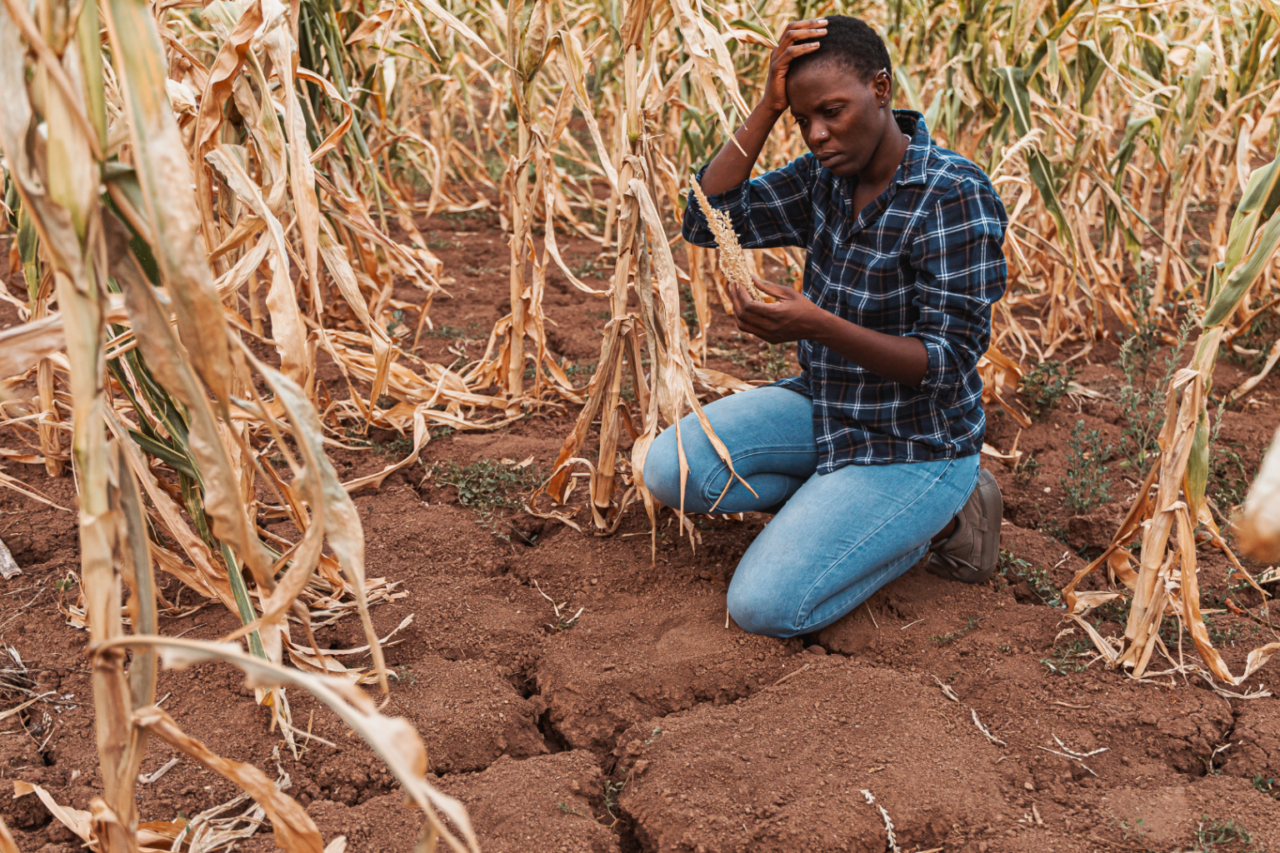
Extreme heat threatens global food security, FAO and WMO warn
The growing frequency and intensity of extreme heat events are posing an escalating threat to global agriculture, food security and ecosystems, according to a new joint report released by the Food and Agriculture Organization of the United Nations (FAO) and the World Meteorological Organization (WMO).
The report, titled Extreme Heat and Agriculture, warns that rising temperatures are increasingly disrupting agrifood systems worldwide, with severe impacts expected in the future if urgent adaptation measures are not implemented.
“This work highlights how extreme heat is a major risk multiplier, exerting mounting pressure on crops, livestock, fisheries and forests, and on the communities and economies that depend upon them,” said QU Dongyu.
The report was released ahead of Earth Day on April 22 and emphasizes the growing links between climate change, food production and ecosystem health.
According to the report, the frequency, duration and severity of heatwaves have risen sharply over the past 50 years, creating new challenges for agriculture and rural livelihoods. Extreme heat is no longer viewed as an isolated climate hazard but as a factor that amplifies existing vulnerabilities across farming systems.
“Extreme heat is increasingly defining the conditions under which agrifood systems operate,” said Celeste Saulo. “More than simply an isolated climatic hazard, it acts as a compounding risk factor that magnifies existing weaknesses across agricultural systems.”
The report outlines how extreme temperatures affect plants, animals, fish and agricultural workers. Most major crops begin experiencing yield declines when temperatures exceed 30 degrees Celsius, while crops such as potatoes and barley are even more sensitive.
Livestock are also under pressure, with heat stress beginning above 25 degrees Celsius for many common species. Chickens and pigs are particularly vulnerable because they cannot cool themselves through sweating.
Marine ecosystems are equally affected. Fish exposed to marine heatwaves may suffer cardiac failure as warmer waters reduce oxygen levels needed for survival. The WMO’s State of the Global Climate 2025 report found that more than 90 percent of the global ocean experienced at least one marine heatwave in 2025.
The report also highlights the growing threat of wildfires and flash droughts linked to prolonged heatwaves. Scientists noted a strong connection between rising temperatures and longer, more intense fire seasons.
Agricultural labourers face mounting health and productivity risks as well. In regions such as South Asia, tropical sub-Saharan Africa and parts of Central and South America, the number of days considered too hot for outdoor work could rise to 250 days annually.
Experts warn that extreme heat also contributes to water shortages and increases the spread of pests and diseases, creating additional strain on already vulnerable food systems.
To address the crisis, the report calls for increased investment in adaptation strategies, including climate-resilient crop varieties, selective livestock breeding, changes in planting schedules and improved farm management practices.
Early warning systems and climate services, such as seasonal forecasts, were identified as critical tools to help farmers prepare for heat-related shocks. The report also stresses the importance of financial support mechanisms, including insurance schemes, cash transfers and social protection programmes.
“Protecting the future of agriculture and ensuring global food security will require not only building on-farm resilience but also exercising international solidarity and collective political will for risk sharing, and a decisive transition away from a high-emissions future,” the report states.